El eclipse total de Sol de 2026: por qué la Luna cubre al Sol y cómo observarlo con seguridad
El miércoles 12 de agosto de 2026, la sombra de la Luna cruzará el norte de España en el primer eclipse total visible desde la península Ibérica en más de un siglo. La explicación de lo que ocurre en el cielo está en una coincidencia de números: el Sol es unas 400 veces más grande que la Luna, pero también está unas 400 veces más lejos.
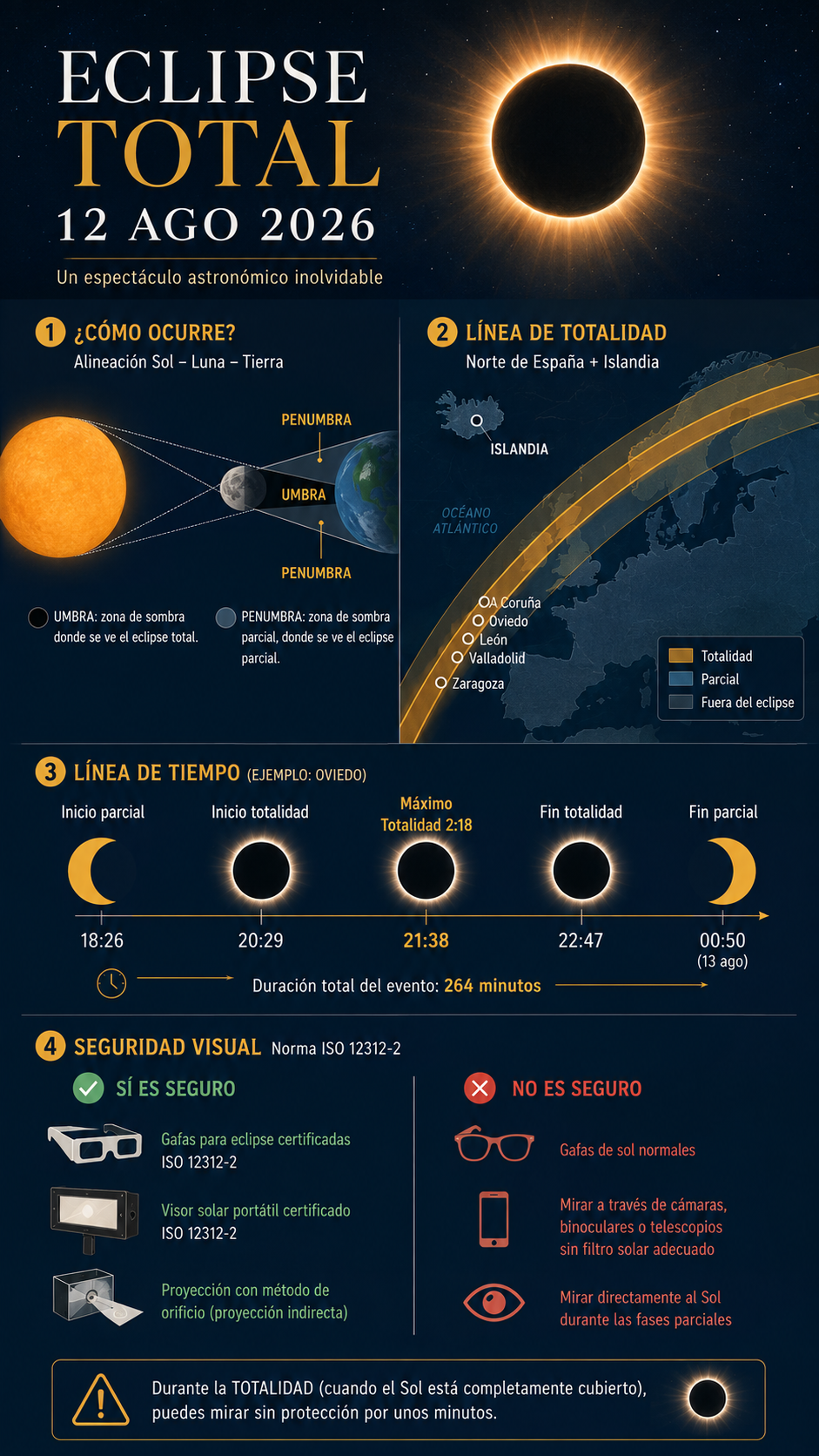
De oeste a este, la totalidad recorrerá desde A Coruña hasta Palma de Mallorca, pasando por Oviedo, León, Bilbao, Zaragoza y València. Aquí contamos por qué nuestro satélite logra tapar exactamente a la estrella y cómo observar el fenómeno sin poner en riesgo la vista.
La coincidencia que hace posible el eclipse
El Sol mide unos 1,4 millones de kilómetros de diámetro; la Luna, apenas 3.475. Pero, vista desde la Tierra, la Luna cubre al Sol casi a la perfección. La razón es que el Sol está, en promedio, unas 400 veces más lejos de nosotros que la Luna y, a la vez, es unas 400 veces más grande. Esos dos números se compensan y hacen que ambos astros ocupen medio grado en el cielo.
Ese encaje casi exacto distingue a los eclipses totales de cualquier otro fenómeno del sistema solar. Si la Luna estuviera algo más lejos o fuera algo más pequeña, no llegaría a tapar el disco entero.
Las órbitas no son círculos perfectos. Cuando la Luna pasa por su punto más alejado de la Tierra, su disco aparente se ve un poco menor que el del Sol y el eclipse es anular: queda un anillo de fuego. Cuando está más cerca, el encaje es total. Por eso no todos los eclipses de Sol se ven igual.
Umbral, penumbra y línea de totalidad
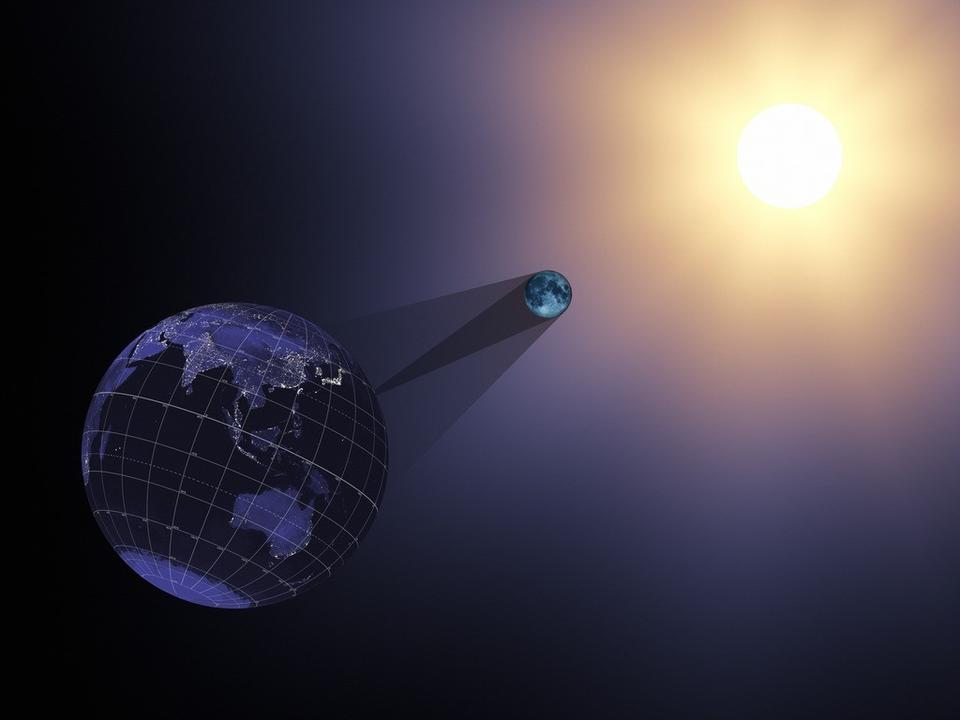
Un eclipse solar total ocurre cuando la Luna se interpone entre el Sol y la Tierra y la punta de su sombra central toca la superficie. Esa sombra tiene dos partes. La umbra, la zona interior y oscura, deja el Sol completamente oculto. La penumbra, exterior y tenue, solo lo cubre de forma parcial.
Depende del lugar en que se esté. Quien se encuentra dentro de la umbra, y por tanto dentro de la angosta franja de totalidad, presencia la totalidad. Quien está en la penumbra ve cómo la Luna muerde el disco solar sin llegar a cerrarlo.
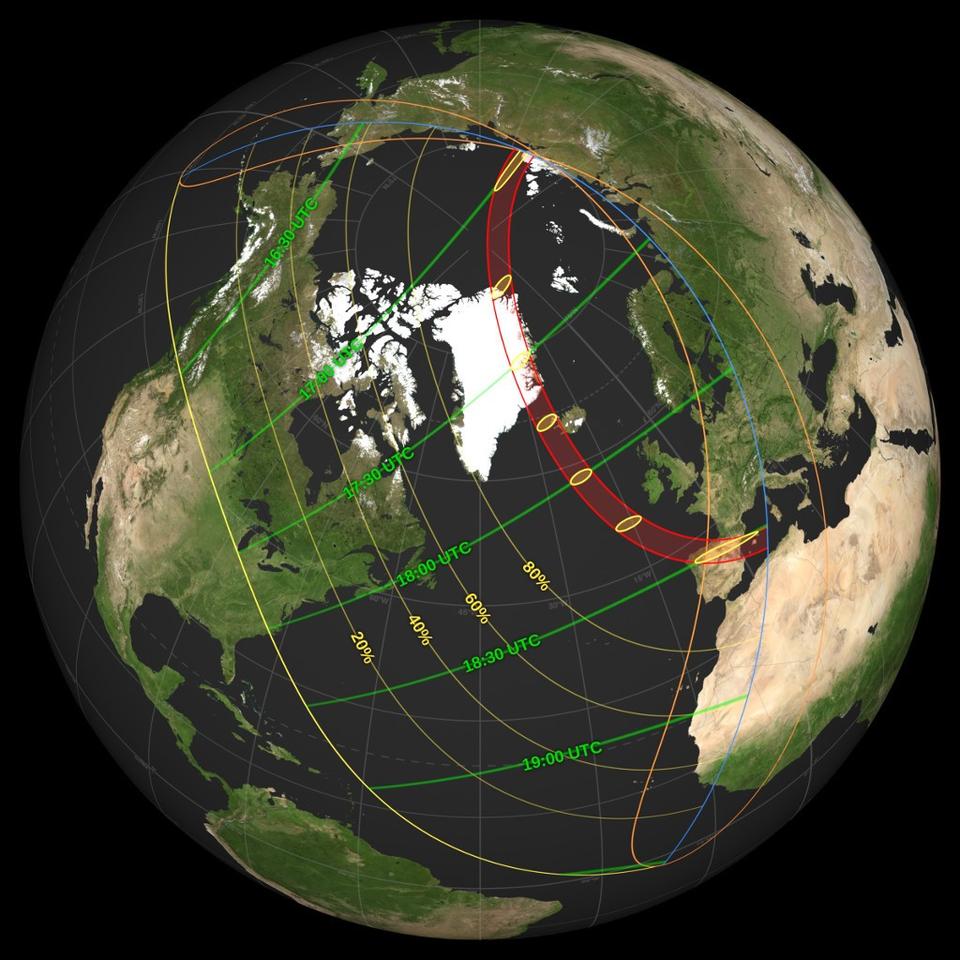
La franja de totalidad es un corredor de unos cientos de kilómetros de ancho que recorre la Tierra de oeste a este. Se desplaza por el avance orbital de la Luna y por la rotación del planeta, y es estrecha porque la sombra proyectada es pequeña vista desde esta distancia.
La ruta de la totalidad el 12 de agosto
La sombra tocará tierra en el mar de Bering, cruzará el Ártico, el noreste de Groenlandia y el extremo occidental de Islandia antes de entrar en el Atlántico y alcanzar la península Ibérica. En España, la totalidad se verá desde Galicia hasta las Baleares.
El fenómeno completo, del primer al último contacto, dura 264 minutos, casi cuatro horas y media. En la península coincidirá con el atardecer y el Sol quedará muy cerca del horizonte: en A Coruña, por ejemplo, a unos 12 grados y con una totalidad de 76 segundos; en Burgos, 104 segundos con el Sol a 8 grados. Conviene buscar un punto con el horizonte oeste despejado.
La totalidad más larga, de 2 minutos y 18 segundos, se dará cerca de Islandia. El siguiente eclipse total en España no llegará hasta 2053. NASA retransmitirá el evento en directo desde la trayectoria.
La corona, un tesoro de dos minutos
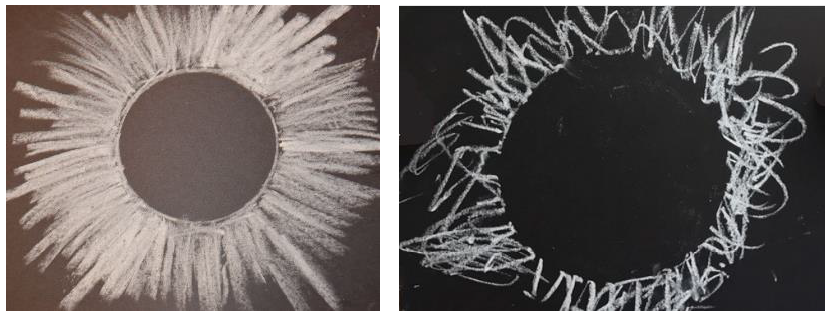
La corona es la atmósfera exterior del Sol: plasma a millones de grados, pero tan tenue que su luz queda borrada por el resplandor del disco en condiciones normales. Solo durante la totalidad, cuando la Luna oculta el disco de la estrella, se puede ver a simple vista, junto con las protuberancias solares.
Por eso los astrónomos aprovechan los eclipses totales como una ventana de observación poco frecuente. En unos minutos pueden fotografiar una estructura que el resto del tiempo solo se estudia con coronógrafos especializados.
Cómo observarlo con seguridad
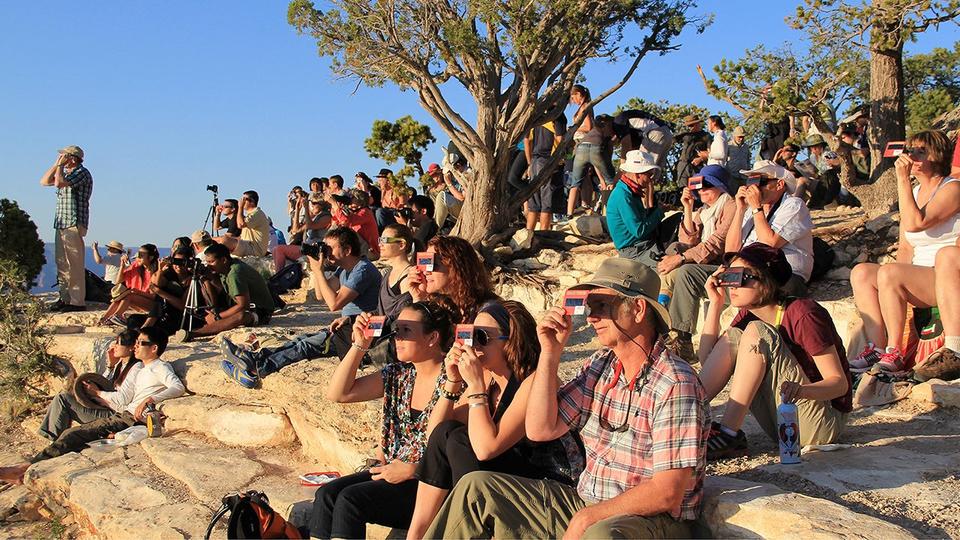
La regla vale siempre: nunca se mira al Sol directamente sin protección, ni siquiera durante las fases parciales, porque la luz puede dañar la retina de forma irreversible. Las gafas de sol normales, las radiografías, los filtros caseros y los cristales ahumados no sirven. Sí sirven las gafas de eclipse y los visores solares de mano que cumplen la norma internacional ISO 12312-2, comprados a fabricantes verificados como los que lista la American Astronomical Society (AAS).
Conviene revisarlas antes de usarlas: si están rayadas o dañadas, se descartan. Tampoco se debe mirar el Sol a través de binoculares, telescopios o cámaras sin un filtro solar certificado en el objetivo, porque concentran la luz y amplifican el daño.
Durante la totalidad, solo en esos pocos minutos, se puede mirar a simple vista. En cuanto reaparece el primer destello brillante del borde solar, hay que volver a ponerse las gafas o apartar la vista. Quien prefiera no arriesgar, puede proyectar la imagen del Sol de forma indirecta con una cámara estenopeica, sin mirar nunca al astro.