¿Fuiste Homo desde antes de lo que creías? Un investigador propone borrar dos géneros del árbol humano
El muro 5 fuentes
paper original
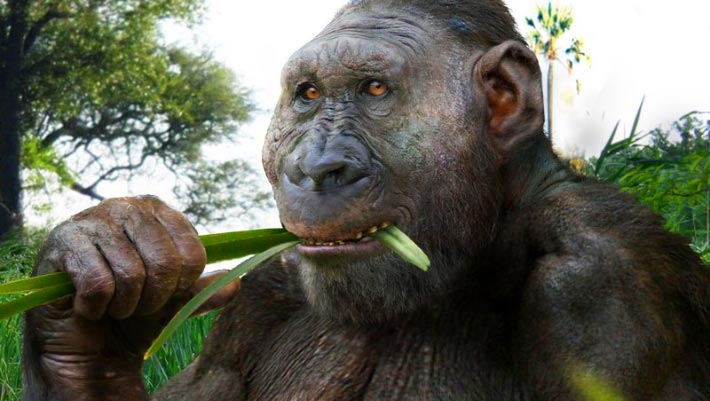
Anthropologist Proposes Folding Australopithecus and Paranthropus into Genus Homo
Dr. Ian Towle, a researcher with the Biomedicine Discovery Institute at Monash University, proposes folding nearly 5 million years of hominin fossils into the genus Homo, arguing that traits once used to separate species -- big brains, tool use -- no longer hold up.
sci.news
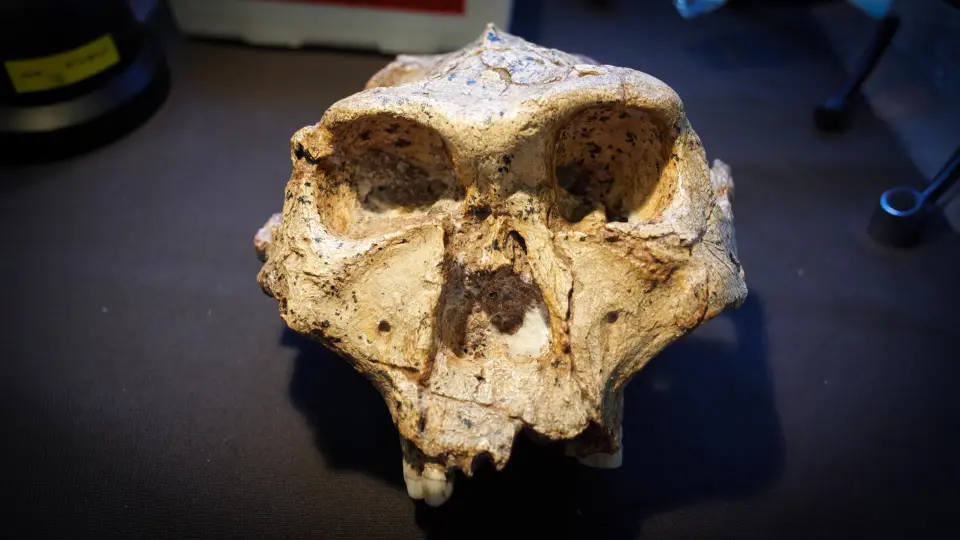
Scientists say the human family tree may need a major rewrite
The human family tree may be due for a major rewrite. Researchers argue that Australopithecus and Paranthropus should be folded into the genus Homo because new fossils have blurred many of the traits once used to separate them. The proposed shake-up could provide a simpler, more accurate picture of our surprisingly complicated evolutionary past.
sciencedaily.com
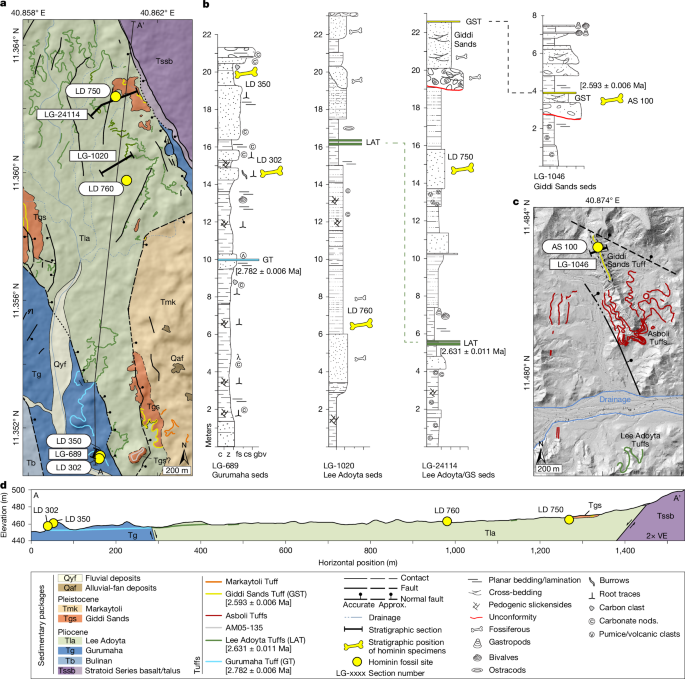
New discoveries of Australopithecus and Homo from Ledi-Geraru, Ethiopia
Hominin fossils from the Ledi-Geraru Research Project area, Ethiopia, suggest that early Homo and Australopithecus species co-existed in the region more than 2.5 million years ago.
nature.com
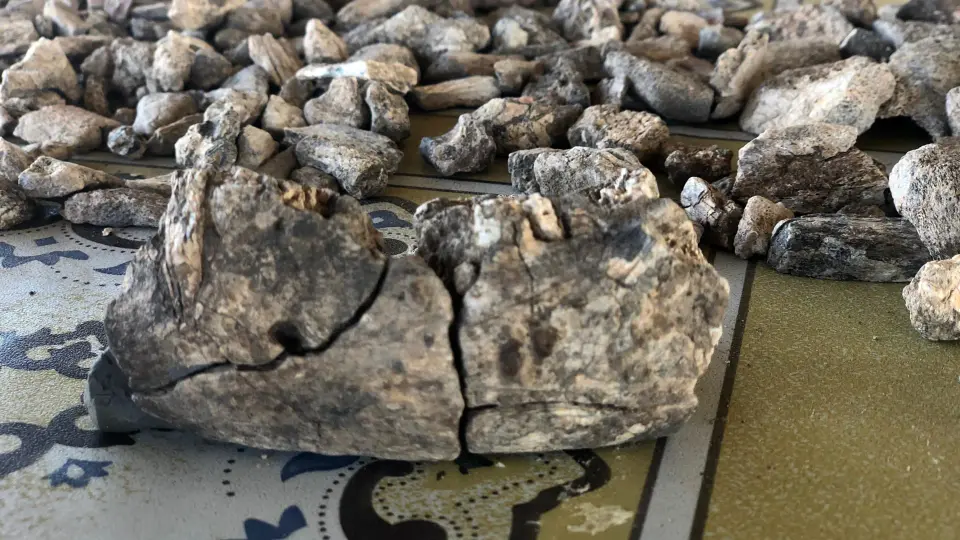
This 2.6-million-year-old jawbone changes the human story
A rare fossil discovery in Ethiopia has pushed the known range of Paranthropus hundreds of miles farther north than ever before. The 2.6-million-year-old jaw suggests this ancient relative of humans was surprisingly adaptable, not a narrow specialist as once believed. Instead of being outmatched by early humans, Paranthropus appears to have been just as widespread and resilient. The find forces scientists to rethink how early human relatives lived—and competed.
sciencedaily.com