Un millón de células, una pregunta pendiente
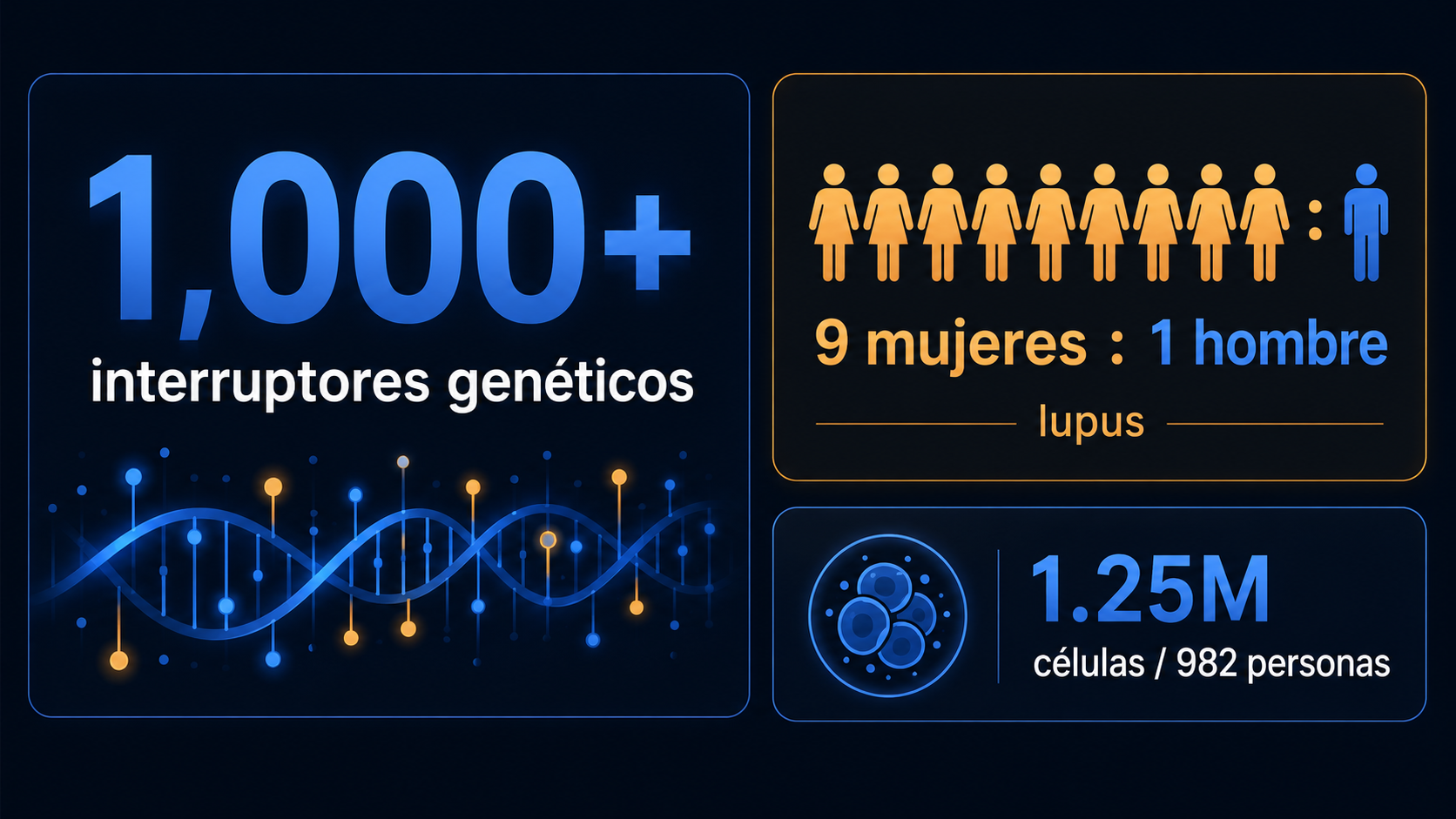
Que las mujeres desarrollan enfermedades autoinmunes con mucha más frecuencia que los hombres no es un dato nuevo. El lupus, por ejemplo, aparece en nueve mujeres por cada hombre. La esclerosis múltiple y la artritis reumatoide muestran patrones parecidos. Lo que no estaba claro era el mecanismo molecular detrás de esa brecha.
Un equipo de investigación analizó la actividad génica de más de 1,25 millones de células inmunes provenientes de 982 personas, buscando diferencias de funcionamiento entre sexos que no dependieran simplemente de tener dos cromosomas X o uno. Los resultados se publicaron en The American Journal of Human Genetics.
Más de mil interruptores, la mayoría fuera de donde se esperaba
El hallazgo central: más de 1.000 "interruptores" genéticos —variantes que regulan cuánto se expresa un gen— funcionan de forma distinta entre hombres y mujeres. Lo llamativo es dónde están la mayoría de ellos. La explicación intuitiva apuntaría a los cromosomas sexuales, X e Y, pero el estudio encontró que la gran mayoría de estos interruptores se ubica en los autosomas, los 22 pares de cromosomas que ambos sexos comparten por igual.
Es decir, la diferencia no está tanto en qué genes tiene cada sexo, sino en cómo el cuerpo decide activarlos o no —una capa de regulación que hasta ahora había pasado en gran medida inadvertida.
Dos genes, una pista directa sobre el lupus
Dentro de ese mapa de interruptores, el equipo identificó variantes específicas que afectan la expresión —sesgada hacia mujeres— de dos genes ya asociados al lupus eritematoso sistémico. No es toda la explicación de por qué el lupus es nueve veces más común en mujeres, pero es la primera vez que se conecta ese patrón clínico con un mecanismo genético concreto y medible.
Monocitos de mantenimiento, linfocitos en alerta
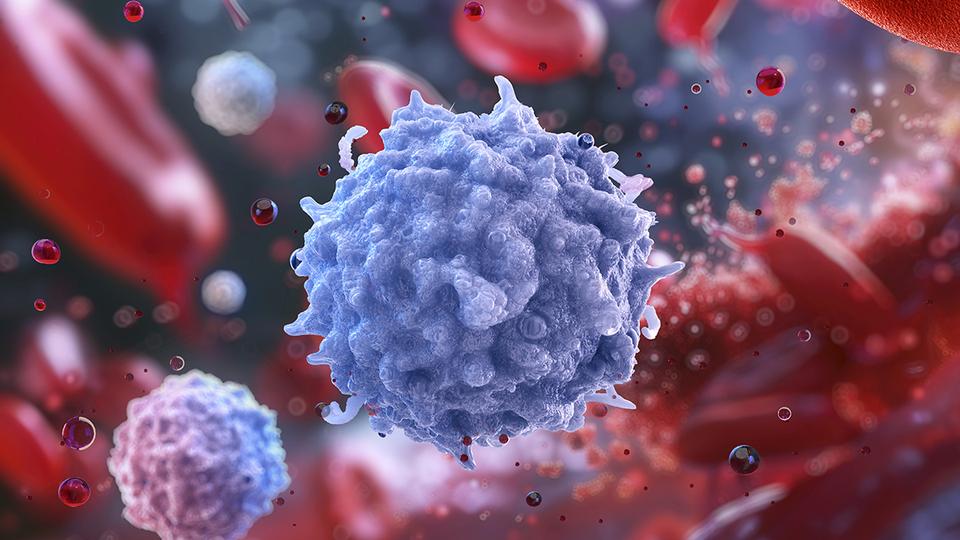
El estudio también encontró diferencias en el tipo de células inmunes predominantes según el sexo. Los hombres mostraron más monocitos —las células de primera respuesta del sistema inmune— con una programación genética orientada al mantenimiento y la reparación de tejido. Las mujeres, en cambio, mostraron niveles más altos de células B y T programadas genéticamente para mantenerse en alerta alta, listas para actuar.
Esa configuración tiene una lógica evolutiva plausible —una respuesta inmune más reactiva puede ser ventajosa frente a infecciones—, pero el mismo mecanismo que hace a esa respuesta más rápida también puede hacerla más propensa a dispararse contra el propio cuerpo, que es, en esencia, lo que ocurre en una enfermedad autoinmune.
Lo que todavía no se sabe
El estudio identifica asociaciones, no pruebas de causalidad directa: encontrar que ciertos interruptores genéticos se comportan distinto entre sexos y coinciden con genes de riesgo para lupus no equivale a demostrar que esos interruptores causan la enfermedad por sí solos. Tampoco queda claro todavía cuánto de esta diferencia depende de las hormonas sexuales —estrógeno y testosterona son moduladores conocidos del sistema inmune— frente a lo que sería una programación genética más estable, presente incluso antes de la pubertad.
El equipo plantea que este mapa de diferencias podría, a mediano plazo, servir de base para tratamientos más ajustados por sexo en enfermedades autoinmunes, en lugar de protocolos únicos pensados sin distinción. Es un objetivo todavía lejano —traducir estos hallazgos en un tratamiento probado en clínica toma años—, pero por primera vez hay un mapa molecular concreto donde antes solo había una observación epidemiológica.